How to Choose the Right Yoga Mat
By Mateara . 9 min read . Updated June 2026
Walking into a mat-buying decision without a framework is how you end up with a spongy foam slab that sheds purple microplastics on your hands. The variables that actually matter are thickness, material, open versus closed cell, and weight. Get those four right and the rest is cosmetics. Start with Manduka PRO Yoga Mat if you want one mat for a decade, or Gaiam Premium 6mm Yoga Mat if you are testing the waters at a low upfront cost. This guide explains what each spec means and which mat wins at each use case.
The short answer
The Manduka PRO is the right mat for most dedicated practitioners, pairing a dense closed-cell 6 mm surface with a lifetime guarantee and grip that improves after the first break-in wash. Beginners should consider the Gaiam Premium 6mm for joint cushioning at a low price, while hot-yoga and eco-conscious buyers will get better wet grip from the Jade Harmony or Liforme Original.
This guide contains affiliate links. Mateara may earn a commission at no cost to you.
Thickness: 4 mm versus 6 mm and when each makes sense
Thickness is the first spec most buyers look at and the one most misunderstood. A thicker mat is not automatically better. It is a trade-off between cushion and ground connection. A 4 mm mat lets you feel the floor under your feet in balancing poses, which makes standing sequences and inversions more stable. A 6 mm mat absorbs more impact on knees and wrists, which matters if you have joint sensitivity or spend a lot of time in low lunges and floor-based work.
The Manduka PRO Yoga Mat is 6 mm but dense, meaning its closed-cell construction gives a firm, grounded feel despite the thickness. The Liforme Original Yoga Mat is 4.2 mm and intentionally thin for that connected ground feel in balancing poses. If you are buying your first mat and are unsure, 4 to 6 mm is the right range. Anything thinner is a travel mat. Anything thicker than 6 mm, like the Retrospec Solana Yoga Mat 1 Inch Thick at a full inch, is for floor exercise and gentle stretching, not standing practice.
People with knee, hip, or wrist pain who practice yin or restorative yoga can genuinely benefit from a 6 mm mat. Daily vinyasa and flow practitioners usually prefer 4 to 5 mm for the stability it provides in arm balances and warriors.

Manduka PRO Yoga Mat
The gold-standard studio mat with a closed-cell 6 mm surface, lifetime guarantee, and a dense feel that holds position through any practice. Requires an initial break-in wash to activate the full grip, then improves with use.

Liforme Original Yoga Mat
A premium natural-rubber mat with Liforme's printed AlignForMe guide system, which marks optimal hand and foot placement for major poses directly on the mat. Used widely by yoga teachers for its alignment cues and exceptional grip.

Retrospec Solana Yoga Mat 1 Inch Thick
A 1-inch (25 mm) extra-thick NBR foam mat designed for floor exercise, stretching, and gentle yoga. At this thickness it is more of a home exercise mat than a yoga mat, best suited to people who need maximum joint cushioning for floor-based movement.
Material: PVC, natural rubber, and TPE compared
PVC is the most common mat material and the cheapest. It is durable, easy to wipe clean, and holds its shape for years. The problem is grip in a sweaty class: PVC surfaces become slippery when wet, which is why the Gaiam Premium 6mm Yoga Mat is a fine home practice mat but not the right call for hot yoga. PVC is also not recyclable and contains plasticisers that raise environmental concerns.
Natural rubber provides a surface that grips harder as your hands sweat, the opposite of PVC. The Jade Harmony Yoga Mat and the Liforme Original Yoga Mat both use natural rubber bases and are the top choices for hot yoga and sweaty vinyasa sessions. The catch is that natural rubber degrades with UV exposure and ozone, so do not store a rubber mat in a car or in direct sunlight. It also has a higher latex content, which matters if you have a latex allergy.
TPE is a synthetic rubber blend that avoids latex, is recyclable, and provides decent grip in dry to moderately sweaty conditions. It sits between PVC and natural rubber on performance and price. The Lululemon The Reversible Mat 5mm uses a natural rubber base with an antimicrobial topsheet, giving it some of the best properties of both materials. For travel, the Manduka eKO SuperLite Travel Yoga Mat is 1.5 mm of natural rubber that folds into a bag and layers over any hotel gym mat.

Gaiam Premium 6mm Yoga Mat
A widely available, affordable 6 mm PVC mat from one of the most recognised yoga brands, sold in multiple patterns and colours. Excellent first mat for home practice and beginners who want joint-friendly cushioning without a large upfront investment.
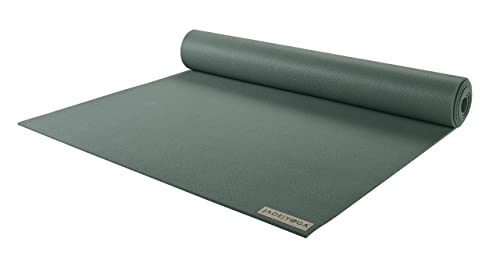
Jade Harmony Yoga Mat
A natural-rubber open-cell mat from a brand that plants a tree for every mat sold. The rubber surface grips better as your hands sweat, making it the go-to choice for hot yoga and vinyasa flow.
Liforme Original Yoga Mat
A premium natural-rubber mat with Liforme's printed AlignForMe guide system, which marks optimal hand and foot placement for major poses directly on the mat. Used widely by yoga teachers for its alignment cues and exceptional grip.

Lululemon The Reversible Mat 5mm
Lululemon's flagship mat with a dual-texture design: a textured natural rubber bottom with an antimicrobial topsheet that resists odour. At 5 mm it balances cushion and stability, and the reversible construction gives you a smooth and a ribbed side depending on your practice.
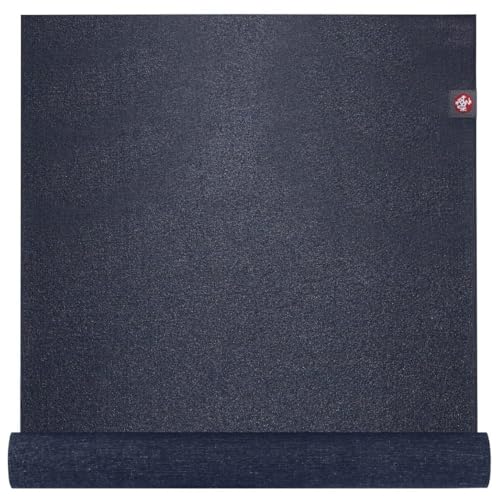
Manduka eKO SuperLite Travel Yoga Mat
An ultra-thin 1.5 mm natural-rubber travel mat that folds to bag size and weighs under 2 pounds. Designed to layer on top of a hotel floor or studio mat, not used alone as your only cushion.
Open cell versus closed cell: the grip and hygiene difference
Open-cell mats absorb moisture into the surface, which is why natural-rubber mats grip better as you sweat: the sweat fills the pores and creates suction. The downside is that bacteria can live in those same pores, so open-cell mats need thorough cleaning and should be air-dried completely before rolling up.
Closed-cell mats like the Manduka PRO Yoga Mat have a sealed surface that does not absorb sweat or bacteria. They wipe clean easily, which is why studios and hygiene-conscious practitioners prefer them. The trade-off is that the grip is surface-level only, which is why the Manduka PRO needs a break-in wash before its top layer fully activates.
For home practice where you clean your mat weekly, open-cell natural rubber is excellent. For studios and shared surfaces, closed-cell wins on hygiene grounds.
Manduka PRO Yoga Mat
The gold-standard studio mat with a closed-cell 6 mm surface, lifetime guarantee, and a dense feel that holds position through any practice. Requires an initial break-in wash to activate the full grip, then improves with use.
Weight and portability: what to carry versus what to leave home
The Manduka PRO Yoga Mat weighs around 7.5 pounds, which is heavy to carry on a commute but irrelevant if you leave it rolled at home or in a studio cubby. If you walk to class or take public transport, weight matters. The Jade Harmony Yoga Mat is around 4 to 5 pounds depending on length and is the go-to recommendation for practitioners who want natural rubber grip but need to carry the mat.
For pure portability, the Manduka eKO SuperLite Travel Yoga Mat at under 2 pounds is in a different category. It folds rather than rolls and is designed to layer over a hotel mat, not to be your sole surface. Carry it in a luggage pocket and never skip practice on the road.
If you commute to a studio with a heavy mat, a good carrying bag makes a real difference. The Manduka Go Move Yoga Mat Bag fits mats up to 26 inches wide with a side pocket for keys and a phone, which turns a 7-pound slab into a manageable shoulder carry.
Manduka PRO Yoga Mat
The gold-standard studio mat with a closed-cell 6 mm surface, lifetime guarantee, and a dense feel that holds position through any practice. Requires an initial break-in wash to activate the full grip, then improves with use.
Jade Harmony Yoga Mat
A natural-rubber open-cell mat from a brand that plants a tree for every mat sold. The rubber surface grips better as your hands sweat, making it the go-to choice for hot yoga and vinyasa flow.
Manduka eKO SuperLite Travel Yoga Mat
An ultra-thin 1.5 mm natural-rubber travel mat that folds to bag size and weighs under 2 pounds. Designed to layer on top of a hotel floor or studio mat, not used alone as your only cushion.
Manduka Go Move Yoga Mat Bag
A full-zip yoga mat bag that fits standard and wider mats up to 26 inches, with a side pocket for keys and phone and a detachable padded shoulder strap. A practical carrying solution for practitioners commuting to studio classes.
Which mat for which practice
Hot yoga: The Jade Harmony Yoga Mat is the default answer. Its natural rubber surface grips better as sweat increases, which is exactly what hot yoga demands. The Liforme Original Yoga Mat is a close second with its polyurethane topsheet over a natural rubber base.
Daily studio practice: The Manduka PRO Yoga Mat wins here. Its closed-cell surface wipes clean between sessions, the 6 mm density handles both flow and floor work, and the lifetime guarantee means you buy it once.
Beginners at home: The Gaiam Premium 6mm Yoga Mat is the sensible starting point. The 6 mm cushion protects joints while you learn, the price is low enough that upgrading later is painless, and it is available at major retailers with easy returns.
Prenatal, yin, and restorative: the Retrospec Solana Yoga Mat 1 Inch Thick at 1 inch gives maximum joint cushioning for floor-based holds. It is not suited to standing practice, but for prenatal yoga and restorative sequences where you are on the floor for twenty minutes at a time, the extra padding is genuinely useful.
Travel: Manduka eKO SuperLite Travel Yoga Mat folds into a carry-on and the Lululemon The Reversible Mat 5mm handles a light trip where you want a single mat that does double duty.
Jade Harmony Yoga Mat
A natural-rubber open-cell mat from a brand that plants a tree for every mat sold. The rubber surface grips better as your hands sweat, making it the go-to choice for hot yoga and vinyasa flow.
Liforme Original Yoga Mat
A premium natural-rubber mat with Liforme's printed AlignForMe guide system, which marks optimal hand and foot placement for major poses directly on the mat. Used widely by yoga teachers for its alignment cues and exceptional grip.
Manduka PRO Yoga Mat
The gold-standard studio mat with a closed-cell 6 mm surface, lifetime guarantee, and a dense feel that holds position through any practice. Requires an initial break-in wash to activate the full grip, then improves with use.
Gaiam Premium 6mm Yoga Mat
A widely available, affordable 6 mm PVC mat from one of the most recognised yoga brands, sold in multiple patterns and colours. Excellent first mat for home practice and beginners who want joint-friendly cushioning without a large upfront investment.
Retrospec Solana Yoga Mat 1 Inch Thick
A 1-inch (25 mm) extra-thick NBR foam mat designed for floor exercise, stretching, and gentle yoga. At this thickness it is more of a home exercise mat than a yoga mat, best suited to people who need maximum joint cushioning for floor-based movement.
Manduka eKO SuperLite Travel Yoga Mat
An ultra-thin 1.5 mm natural-rubber travel mat that folds to bag size and weighs under 2 pounds. Designed to layer on top of a hotel floor or studio mat, not used alone as your only cushion.
Lululemon The Reversible Mat 5mm
Lululemon's flagship mat with a dual-texture design: a textured natural rubber bottom with an antimicrobial topsheet that resists odour. At 5 mm it balances cushion and stability, and the reversible construction gives you a smooth and a ribbed side depending on your practice.
Featured in this guide
Manduka PRO Yoga Mat
The gold-standard studio mat with a closed-cell 6 mm surface, lifetime guarantee, and a dense feel that holds position through any practice. Requires an initial break-in wash to activate the full grip, then improves with use.
Jade Harmony Yoga Mat
A natural-rubber open-cell mat from a brand that plants a tree for every mat sold. The rubber surface grips better as your hands sweat, making it the go-to choice for hot yoga and vinyasa flow.
Gaiam Premium 6mm Yoga Mat
A widely available, affordable 6 mm PVC mat from one of the most recognised yoga brands, sold in multiple patterns and colours. Excellent first mat for home practice and beginners who want joint-friendly cushioning without a large upfront investment.
Liforme Original Yoga Mat
A premium natural-rubber mat with Liforme's printed AlignForMe guide system, which marks optimal hand and foot placement for major poses directly on the mat. Used widely by yoga teachers for its alignment cues and exceptional grip.
Manduka eKO SuperLite Travel Yoga Mat
An ultra-thin 1.5 mm natural-rubber travel mat that folds to bag size and weighs under 2 pounds. Designed to layer on top of a hotel floor or studio mat, not used alone as your only cushion.
Lululemon The Reversible Mat 5mm
Lululemon's flagship mat with a dual-texture design: a textured natural rubber bottom with an antimicrobial topsheet that resists odour. At 5 mm it balances cushion and stability, and the reversible construction gives you a smooth and a ribbed side depending on your practice.
Related roundups
FAQ
Frequently asked questions
What thickness yoga mat should a beginner buy?+
Most beginners do best with a 6 mm mat, which provides enough joint cushioning to make floor-based poses comfortable while you build strength. As your practice develops, many people move to a 4 to 5 mm mat for better ground connection in balancing poses. Start at 6 mm and reassess after three to six months of regular practice.
Does a more expensive yoga mat make a real difference?+
Yes, but only at certain price thresholds. The jump from a budget PVC mat to a mid-range natural rubber mat is meaningful in grip and durability. The jump from mid-range to premium mostly buys longevity and eco-credentials rather than dramatically better performance. The Manduka PRO at a premium price earns its cost through a lifetime guarantee and closed-cell hygiene, not because it feels twice as good.
Can I use a yoga mat for pilates floor work?+
Yes. A standard 4 to 6 mm yoga mat works fine for mat-based pilates exercises. If your pilates practice is mostly reformer work, you do not need a mat at all for machine use, though you may want one for warm-up stretches. The thicker retrospec-style exercise mats work well for floor pilates if joint cushioning is a priority.
How do I clean a yoga mat without ruining it?+
Spray lightly with diluted dish soap or a dedicated mat spray and wipe with a damp cloth after sweaty sessions, then air-dry completely before rolling. Never soak a natural rubber mat or machine-wash it, as water penetration breaks down the rubber. PVC mats tolerate a gentle machine wash but should air-dry rather than go in a dryer. Avoid essential oils directly on the mat surface.